
Nurturing Empathy: Why "Nature Care" and "Animal World Exploration" Matter in Early Childhood Education
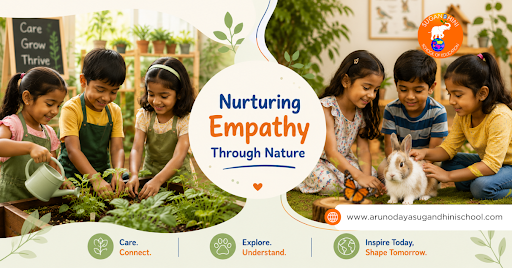
In fact, studies have found that outdoor and environmental learning experiences can improve children’s focus and engagement by up to 20%.
Programs centred around Nature Care & Sustainability and Animal World Exploration provide children with valuable opportunities to develop compassion, curiosity and respect for all living things. These experiences encourage young minds to understand ecosystems, appreciate biodiversity, and build a lifelong connection with the natural world. Early exposure to animals and environmental stewardship has also been linked to higher levels of empathy and responsible behaviour later in life.
When thoughtfully integrated into a modern education curriculum, these nature-based learning experiences work seamlessly alongside essential programmes such as STEAM Education, Phonics & Language Skills Development and Water Confidence Programmes. Together, they create a well-rounded learning environment that nurtures cognitive growth, emotional intelligence, creativity, and social responsibility.
The Foundation of Empathy Through Nature Connection
Children are naturally curious about the world around them, and this innate curiosity serves as the perfect foundation for developing empathy. When young learners engage with nature and animals, they begin to understand that all living beings have needs, feelings, and important roles in our ecosystem.
Building Emotional Intelligence
Nature care activities provide children with opportunities to observe, nurture, and protect living things. Whether caring for classroom plants, observing insects in their natural habitat, or learning about animal behaviors, these experiences teach children to consider perspectives beyond their own. This emotional intelligence forms the bedrock of empathetic thinking.
Developing Responsibility and Care
Through hands-on nature care activities, children learn responsibility in manageable, age-appropriate ways. Simple tasks like watering plants, feeding classroom pets or creating habitats for beneficial insects help children understand the concept of stewardship and care for others.
Animal World Exploration: A Gateway to Understanding
Animal World Exploration serves as a powerful educational tool that captivates children’s imagination while teaching valuable life lessons. This approach utilizes Visual learning methods and Activity-based literacy learning to create meaningful connections between children and the natural world.
Enhancing Communication Skills
Animal-focused learning naturally supports Phonics & Language Skills development. Children expand their vocabulary as they learn animal names, habitats, and behaviors. They practice communication skills by sharing observations, asking questions and expressing their feelings about different animals.
Cross-Curricular Integration
Animal world exploration seamlessly integrates with STEAM education principles. Children engage in scientific observation, mathematical counting and categorization, engineering problem-solving for animal habitats and artistic expression through animal-inspired creativity.
Practical Implementation Strategies
Successfully incorporating nature care and animal exploration into early childhood education requires thoughtful planning and execution. Here are key strategies that education school professionals can implement:
Classroom Environment Design
- Create nature corners with live plants and natural materials
- Establish observation stations for studying insects, birds, or small animals
- Design sensory gardens where children can engage multiple senses
- Set up recycling and composting areas to demonstrate sustainability
Activity-Based Learning Approaches
Effective Activity-based literacy learning through nature and animal themes can include storytelling sessions about animal adventures, creating nature journals, and engaging in role-play activities that help children understand animal behaviors and needs.
Visual learning methods prove particularly effective in this context. Picture books, documentary videos, nature photography, and hands-on observation tools help children process and retain information about the natural world.
Benefits Beyond Empathy Development
While empathy development is a primary goal, nature care and animal world exploration offer numerous additional benefits for young learners.
Cognitive Development Enhancement
| Skill Area | Nature Care Benefits | Animal Exploration Benefits |
|---|---|---|
| Problem Solving | Troubleshooting plant care issues | Understanding animal adaptation strategies |
| Critical Thinking | Analyzing environmental changes | Comparing and contrasting animal behaviors |
| Memory Skills | Remembering care routines | Recalling animal facts and characteristics |
| Pattern Recognition | Identifying seasonal changes | Recognizing animal behavior patterns |
Physical and Social Benefits
Nature-based learning encourages physical activity and outdoor exploration, supporting overall health and development. Much like Water Confidence Programs build physical skills and confidence, nature exploration builds confidence in environmental settings.
Social skills develop naturally as children work together on nature projects, share discoveries, and collaborate on animal care responsibilities. These experiences teach cooperation, patience, and respect for others’ contributions.
Creating Sustainable Learning Practices
Long-Term Impact
Early exposure to nature and sustainability helps children build stronger social skills, emotional resilience, and a deeper appreciation for the world around them. These experiences encourage young learners to become caring individuals who understand the importance of protecting natural resources.
Quick Facts
- Nature-based learning can improve children’s focus and engagement.
- Hands-on environmental activities enhance knowledge retention.
- Regular interaction with nature helps foster empathy and cooperation.
Building Community Connections
Measuring Success and Progress
Assessment in nature care and animal world exploration programs focuses on observational data and developmental milestones rather than traditional testing methods. Educators can track progress through:
- Documentation of children’s emotional responses to nature experiences
- Observation of helping behaviors and care-giving actions
- Language development through nature-themed vocabulary growth
- Creative expression through art, storytelling, and dramatic play
- Problem-solving skills demonstrated in nature-based challenges
These assessment methods align with the broader goals of early childhood education while specifically measuring empathy development and environmental awareness.
Building Tomorrow's Environmental Stewards
As education continues to evolve, these nature-based learning experiences play an increasingly important role in supporting children’s academic, emotional, and social development. When children are encouraged to connect with nature and understand the importance of caring for the environment, they develop skills and values that benefit them throughout their lives.
By working together educators, parents and communities we can create meaningful learning opportunities that inspire the next generation to become thoughtful stewards of the world around them.
Looking for an educational environment that nurtures curiosity, compassion and a love for nature?
More Posts

Screen Time Effects on Child Speech: Interactive or Passive?
Screen Time Effects on Child Speech: Interactive or Passive? If

Best Preschool in Bellary: Why Arunodhaya Sugandhini Is the First Choice for Early Childhood Education
Best Preschool in Ballari: Why Arunodhaya Sugandhini School Of Education

Co-Scholastic Activities Explained: Why Art, Music and Movement Belong in Every Preschool Day
Co-Scholastic Activities Explained: Why Art, Music and Movement Belong in
4 Simple, Everyday Toys That Unlock Advanced Spatial Problem-Solving in Early Childhood
4 Simple, Everyday Toys That Unlock Advanced Spatial Problem-Solving in