1. Why the Spotlight Matters More Than We Think
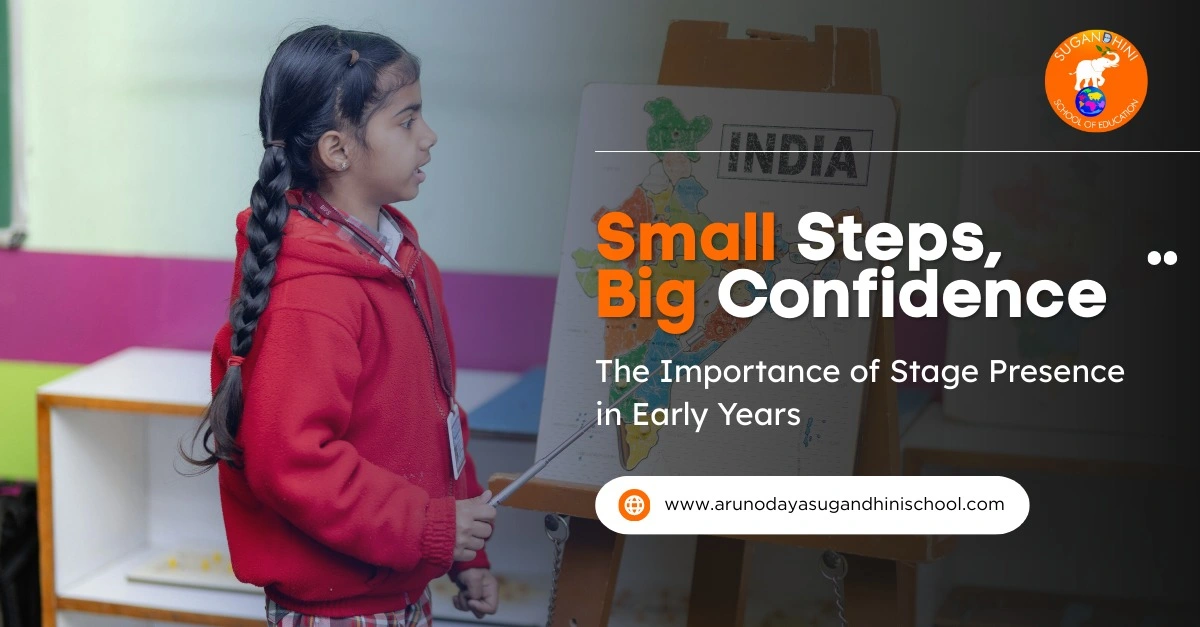
When a child steps onto a stage for the first time, something powerful happens. It is not about the costume, the song or the applause. It is about courage. That single step forward often marks the beginning of self-belief.
Studies in child development show that nearly 85% of personality development happens before the age of 7. This makes early childhood a critical window for building confidence. School assemblies and events like Talents Shows are not just celebrations; they are tools that help children discover their voice early in life.
For parents, seeing their child on stage is emotional. But beyond the smiles and photos lies something deeper: the foundation of lifelong confidence.
2. What Stage Presence Really Means in Early Childhood
2.1 Stage Presence Is Not About Perfection
In early years, stage presence does not mean memorizing long speeches or flawless performances. It simply means standing up, being seen and expressing something personal
For a five-year-old, even waving confidently or saying a few lines into a microphone is a big achievement. Think of stage presence as emotional muscle-building. Each appearance strengthens confidence, one small rep at a time.
2.2 Performance vs. Confidence Building
There is a big difference between pushing children to perform and inviting them to participate. Healthy stage experiences focus on:
- Participation over competition
- Effort over outcome
- Enjoyment over judgment
This approach directly supports developing self esteem in early childhood, without creating unnecessary pressure.
3.The Science of Confidence
3.1 Developing Self Esteem in Early Childhood
Psychologists agree that self-esteem begins forming when children receive positive feedback for effort. According to child psychology research, children who are encouraged to express themselves publicly at a young age show 30–40% higher confidence levels in later school years.
Stage experiences offer children three powerful messages:
1. My voice matters
2. I can be brave
3. I am valued
These messages quietly shape a child’s inner dialogue.
3.2 What Research Says About Early Exposure
A study on early learning environments found that children exposed to music, drama, and speaking activities before age 8 show:
- Better language development
- Stronger emotional regulation
- Higher social adaptability
This is why public speaking skills for children are now considered essential life skills, not optional extras.
4. Why Schools Prioritize Stage Experiences
4.1 Assemblies as Confidence Laboratories
Assemblies provide structured opportunities for children to observe, participate and perform. Watching peers on stage reduces fear and builds familiarity.
Research shows that children are 60% more likely to volunteer for stage activities after watching classmates perform successfully. Confidence, it turns out, is contagious.
4.2 “Talent Shows” and Whole-Child Development
Programs like Talents Shows celebrate diverse abilities. Whether it is singing, storytelling, dancing or group performances, children learn that talent comes in many forms.
This inclusivity plays a vital role in building self-esteem in young children, especially those who may not shine in traditional academic settings.
5. Public Speaking Skills for Children: More Than Just Talking
5.1 Language, Voice and Expression
Public speaking skills for children begin with simple acts:
- Reciting rhymes
- Singing songs
- Speaking lines in a play
These activities improve pronunciation, vocabulary and sentence formation. Research indicates that children who participate in performance-based learning show up to 25% improvement in verbal communication skills.
5.2 Body Language and Social Awareness
Stage presence also teaches non-verbal communication. Children learn how posture, eye contact and facial expressions affect how messages are received.
These skills are essential for leadership, teamwork and emotional intelligence later in life.
6. Building Self-Esteem in Young Children Through Performance
6.1 Small Performances, Big Psychological Wins
Every performance, no matter how small, gives a child a sense of achievement. Psychologists call this “mastery experience,” one of the strongest contributors to confidence.
Repeated positive experiences reinforce the belief: “I can do hard things.” That belief is the cornerstone of building self-esteem in young children.
6.2 Confidence That Transfers Beyond School
Parents often notice changes after performances:
- Children speak more confidently at home
- They participate more actively in class
- They approach new situations with curiosity
Stage confidence does not stay on stage. It travels into everyday life.
7. What Parents Notice First
7.1 Communication and Emotional Growth
Children involved in stage activities are often better at expressing emotions. Instead of frustration or silence, they use words, gestures and expressions.
This emotional literacy reduces tantrums and builds stronger parent-child connections.
7.2 Independence and Leadership Traits
According to educational studies, children exposed to public performances early show higher levels of independence and initiative by primary school.
Confidence encourages leadership, even in small ways like helping peers or sharing ideas.
8. Addressing Stage Fear Early
8.1 Why Nervousness Is Actually Healthy
Feeling nervous before performing is normal. In fact, mild nervousness improves focus and performance. Teaching children that nerves are okay removes fear from the experience.
Children learn that bravery is not the absence of fear, but the willingness to try anyway.
8.2 How Teachers Reduce Performance Anxiety
Educators use proven strategies:
- Group performances before solo roles
- Rehearsals in familiar environments
- Positive reinforcement instead of correction
These methods ensure stage experiences remain joyful and empowering.
9. The Role of Teachers in Shaping Confident Speakers
Teachers act as emotional anchors. Their encouragement helps children feel safe to take risks. By celebrating effort and participation, teachers reinforce the idea that every child is capable.
10. How Parents Can Reinforce Stage Confidence at Home
Parents can support confidence by:
- Practicing lines playfully, not seriously
- Avoiding comparisons with other children
- Celebrating courage, not perfection
Simple encouragement goes a long way.
11. Cultural, Social and Emotional Benefits of Performing
Stage programs often introduce cultural stories, music and traditions. This exposure builds respect, empathy and cultural awareness from an early age.
Group performances also teach collaboration and mutual appreciation.
12. Long-Term Impact: From Childhood Stage to Adult Success
Adults who are confident speakers often trace their comfort back to early stage exposure. Research suggests that individuals with early public speaking experience are twice as likely to take leadership roles later in life.
Stage presence today becomes confidence in interviews, meetings and relationships tomorrow.
Conclusion
When Applause Builds a Lifetime of Confidence
Stage presence in early years is not about raising performers. It is about raising confident humans. Each smile, clap and encouraging word adds another brick to a child’s self-belief.
Through assemblies and programs like Talents Shows, children learn something priceless: their voice matters. And that lesson stays with them for life.