Children are not just small adults they are constantly observing, interacting, and learning from the world around them. One of the most important ways kids grow is through social and emotional experiences. These interactions shape their personality, thinking, and overall development, laying the foundation for lifelong skills.
The Role of Social Learning
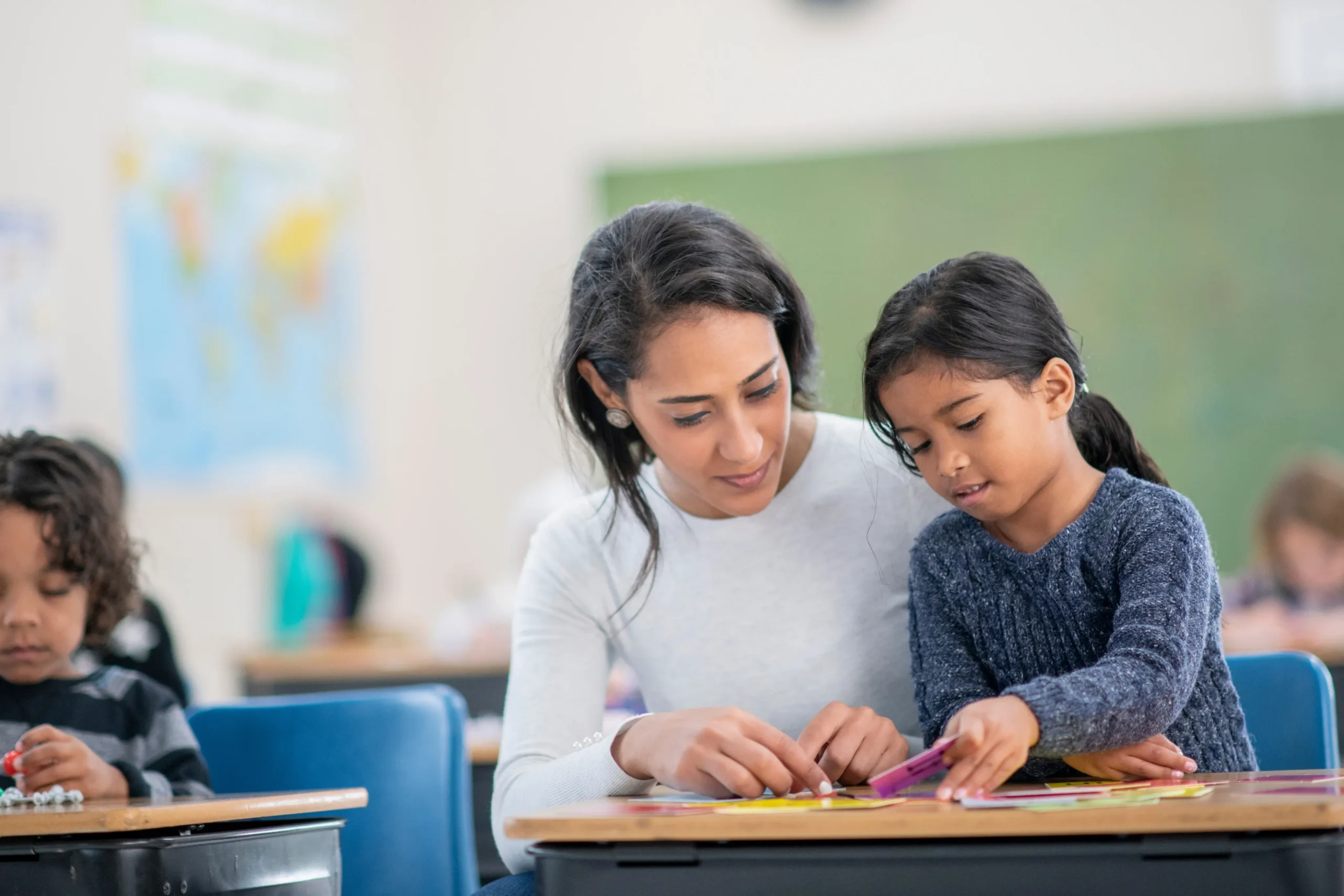
Social learning happens when children observe and imitate the behaviors, attitudes, and reactions of people around them parents, siblings, peers, and teachers. Through social interactions, kids learn:
- Communication Skills:They pick up language, tone, and body language by talking and playing with others.
- Problem-Solving:Group play and teamwork help them develop strategies and negotiation skills.
- Understanding Social Norms:Children learn what is acceptable, how to take turns, share, and respect others.
The Power of Emotional Learning
Emotions guide behavior and influence learning. Kids learn emotional skills by:
- Recognizing Feelings:Understanding their own emotions and identifying others’ feelings.
- Managing Emotions:Learning to calm down when upset or express happiness appropriately.
- Developing Empathy:Caring for others, helping friends, and responding sensitively to others’ needs.
These emotional skills help children navigate relationships, build resilience, and develop confidence.
Social and Emotional Learning in Daily Life
Children practice social and emotional learning in everyday experiences:
- Playtime:Board games, group activities, and pretend play teach cooperation, sharing, and conflict resolution.
- Storytelling and Books:Stories introduce characters’ emotions, encouraging kids to relate and reflect.
- Family Interactions:Conversations with parents and siblings help children express thoughts and understand perspectives.
- School and Extracurricular Activities:Teamwork, competitions, and class discussions foster collaboration, empathy, and self-regulation.
Why It Matters
Social and emotional learning is essential because it:
- Strengthens cognitive developmentby linking emotions to thinking.
- Improves academic performanceas emotionally aware children focus and engage better.
- Builds healthy relationshipsby fostering empathy, communication, and cooperation.
- Encourages resilienceto face challenges, adapt, and thrive.
Conclusion
Children learn best when they are emotionally secure and socially engaged. By encouraging positive interactions and helping kids understand their feelings, parents and educators can nurture well-rounded, confident, and empathetic individuals.
At
Arunodaya Sugandhini , we focus on helping children develop these social and emotional skills, ensuring they grow not just academically but also as thoughtful, resilient, and emotionally intelligent individuals.