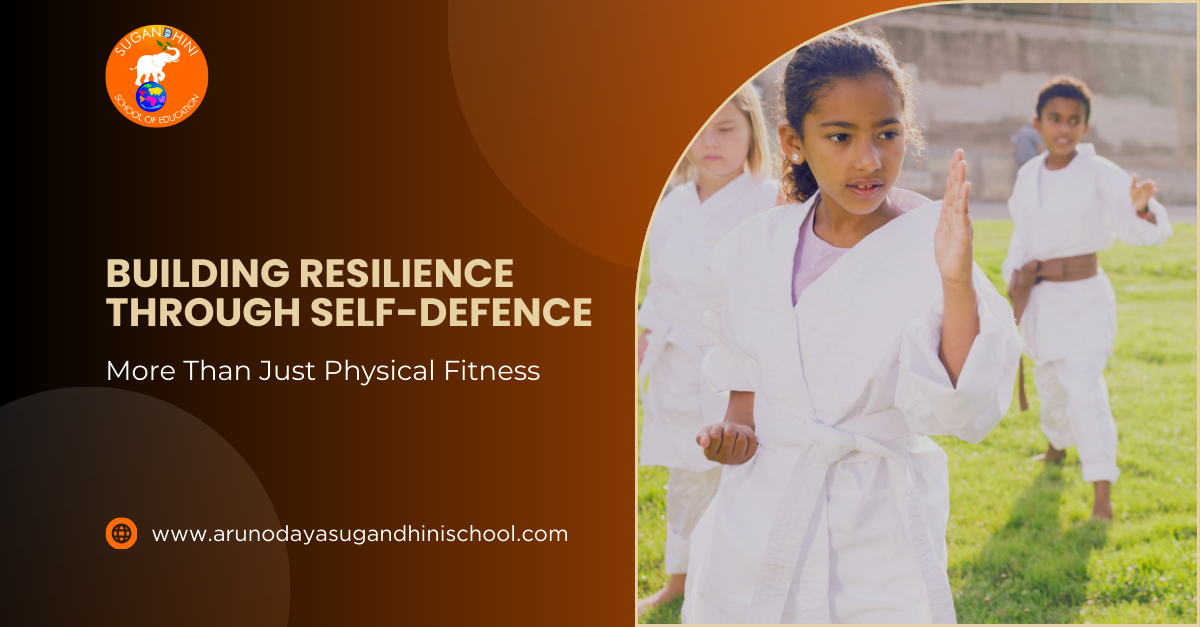
In today’s fast-paced and unpredictable world, resilience is more important than ever. Resilience isn’t just about bouncing back from setbacks, it’s about developing the mental, emotional and physical strength to face challenges head-on. One of the most effective ways to nurture this quality is through self defence training. Beyond teaching physical protection, self-defence programs instill confidence, discipline, focus and emotional stability that last a lifetime.
Studies show that children who participate in martial arts or self-defence classes report a 30–40% increase in self-confidence and 25% improvement in emotional regulation, highlighting the power of these programs beyond physical fitness.
1.What is Self-Defence Training?
Self-defence training equips individuals with the knowledge, skills and confidence to protect themselves in dangerous situations. But it’s more than learning to strike or block, it’s about building mental resilience and situational awareness.
Different Types of Self-Defence Programs
Key Components of a Self-Defence Class
- Physical techniques: Practical moves to protect oneself.
- Mental training: Confidence, alertness and composure.
- Mental training: Realistic situations to practice responses.
- Mindfulness exercises: Breathing techniques for stress management
2.Understanding Resilience
Resilience is the ability to adapt and recover from challenges, both big and small. It is like a mental shield, helping individuals stay composed and proactive when life gets tough.
2.1 What Does Mental Resilience Mean?
Mental resilience refers to the capacity to maintain focus, control emotions and act effectively under stress. Studies indicate that children with high mental resilience are 70% less likely to experience anxiety disorders compared to peers without such training.
2.2 The Role of Confidence and Discipline
Through self-defence training, students develop both confidence and discipline, essential pillars of mental resilience. Confidence empowers them to trust their abilities, while discipline reinforces perseverance and consistent effort.
3.How Self-Defence Builds Mental Resilience
3.1 Overcoming Fear and Anxiety
Self-defence training teaches students to manage fear effectively. Practicing defensive techniques in a controlled environment helps reduce panic responses by up to 40%, allowing individuals to stay calm in stressful situations.
3.2 Setting and Achieving Goals
From mastering new techniques to earning belts, self-defence promotes goal-setting. Achieving these milestones enhances self-efficacy and the belief that one can succeed despite challenges.
3.3 Enhancing Focus and Awareness
Self-defence sharpens attention to surroundings, timing, and body language. This improved focus contributes to better decision-making and increased situational awareness by 35%, according to recent studies.
4. Techniques to Improve Resilience through Self-Defence
4.1 Physical Drills that Strengthen the Mind
Repetitive drills, sparring, and endurance exercises train both body and mind. They foster perseverance, patience and mental toughness.
4.2 Scenario-Based Training
Simulated attacks or surprise scenarios teach students to react under pressure. These exercises reduce panic in real emergencies and build confidence and composure.
4.3 Breathing and Mindfulness Exercises
Incorporating mindfulness helps manage stress, boost focus and regulate emotions. Even 5–10 minutes of focused breathing during practice can significantly reduce stress hormone levels.
5. Self-Defence for Children: Benefits Beyond Safety
5.1 Boosting Self-Confidence in Young Learners
Children gain self-assurance as they master new techniques. Research shows that children in martial arts programs demonstrate 40% higher confidence levels in school and social settings.
5.2 Teaching Responsibility and Discipline
Regular training instills punctuality, dedication and respect for rules core qualities that enhance resilience.
5.3 Developing Social and Emotional Skills
Group classes improve communication, teamwork and empathy, which support long-term emotional intelligence.
6. Statistics on Self-Defence and Mental Health Benefits
7. Real-Life Examples: Success Stories
7.1 Impact of Excessive Screen Time
Take Riya, a 10-year-old initially shy and anxious. After a year of self-defence training, she showed marked improvement in confidence, focus and social interactions. Adults, like Arjun, a corporate professional, reported reduced stress levels and enhanced emotional control after regular karate classes. Stories like these demonstrate how self-defence builds mental resilience beyond physical protection.
8. Integrating Self-Defence into Daily Lif
8.1 Practicing Regularly
Consistency is key. Short daily drills reinforce both physical skills and mental resilience.
8.2 Applying Lessons Outside the Dojo
The principles of focus, awareness, and confidence extend into daily life helping in work, school, and personal relationships.
9. Choosing the Right Self-Defence Program
9.1 Evaluating Schools and Instructors
Look for certified instructors, structured curriculum and programs that balance physical and mental development.
9.2 Aligning Training with Personal Goals
Whether your goal is fitness, confidence, discipline or mental resilience, select a program that aligns with your objectives.
10. Common Misconceptions About Self-Defence and Resilience
10.1 It’s Only About Fighting
Self-defence is much more than physical combat. Mental toughness, focus, and emotional control are equally important.
10.2 Only for Physically Strong Individuals
Self-defence training is suitable for all ages, sizes, and abilities. Mental resilience benefits everyone.
11. Tips for Parents Encouraging Their Children
- Enroll children in age-appropriate classes.
- Encourage consistent practice without pressure.
- Celebrate progress to reinforce confidence.
- Discuss mental lessons alongside physical skills.
Conclusion
Self-defence training at
Arunodaya Sugandhini goes beyond physical protection; it’s a holistic approach to building resilience. By enhancing confidence, discipline, focus, awareness and emotional strength, these programs equip individuals of all ages to face challenges with courage and composure. Investing in self-defence training through
Arunodaya Sugandhini helps both parents and adults cultivate lifelong resilience while enjoying a range of physical, mental and social benefits.